
All about the Pilgrimage
Footsteps of Pompallier - Pilgrimage details
Preparing for the pilgrimage to walk in the footsteps of Bishop Pompallier involves both physical and spiritual readiness. We recommend you familiarise yourself with the information provided within this section and explore the FAQs for further information.
What is a pilgrimage?
A pilgrimage is a journey to some place for the purpose of venerating a relic, visiting a holy site, seeking God’s aid or to fulfil a religious obligation. From the time of the early Church, Catholics have undertaken pilgrimages to do this. Famous early pilgrimages were and still are to Rome and the Holy Land. Other famous pilgrimage destinations include Fatima and Lourdes, Chartres and the Camino.
Originally, one would walk to the place of pilgrimage, something which is still very much part of the Chartres and Camino pilgrimages and our very own Footsteps of Pompallier pilgrimage. And the idea of walking a long distance to reach the desired holy site is still very important and one may say an integral part of a pilgrimage.
Naturally speaking, the end or purpose of a pilgrimage is the end, that is, reaching the destination. Supernaturally speaking, the end or purpose of a pilgrimage is the sanctification of our souls through the graces asked of Our Lord, by offering prayers, sacrifices and mortifications. The holy site or relic which is at the destination is paramount to this. For our purposes, visiting the site of the first Mass in New Zealand offered by Bishop Pompallier should allow us to implore many graces from God and offer prayers there for our various intentions. It should be an occasion to grow closer to God and grow in sanctity.
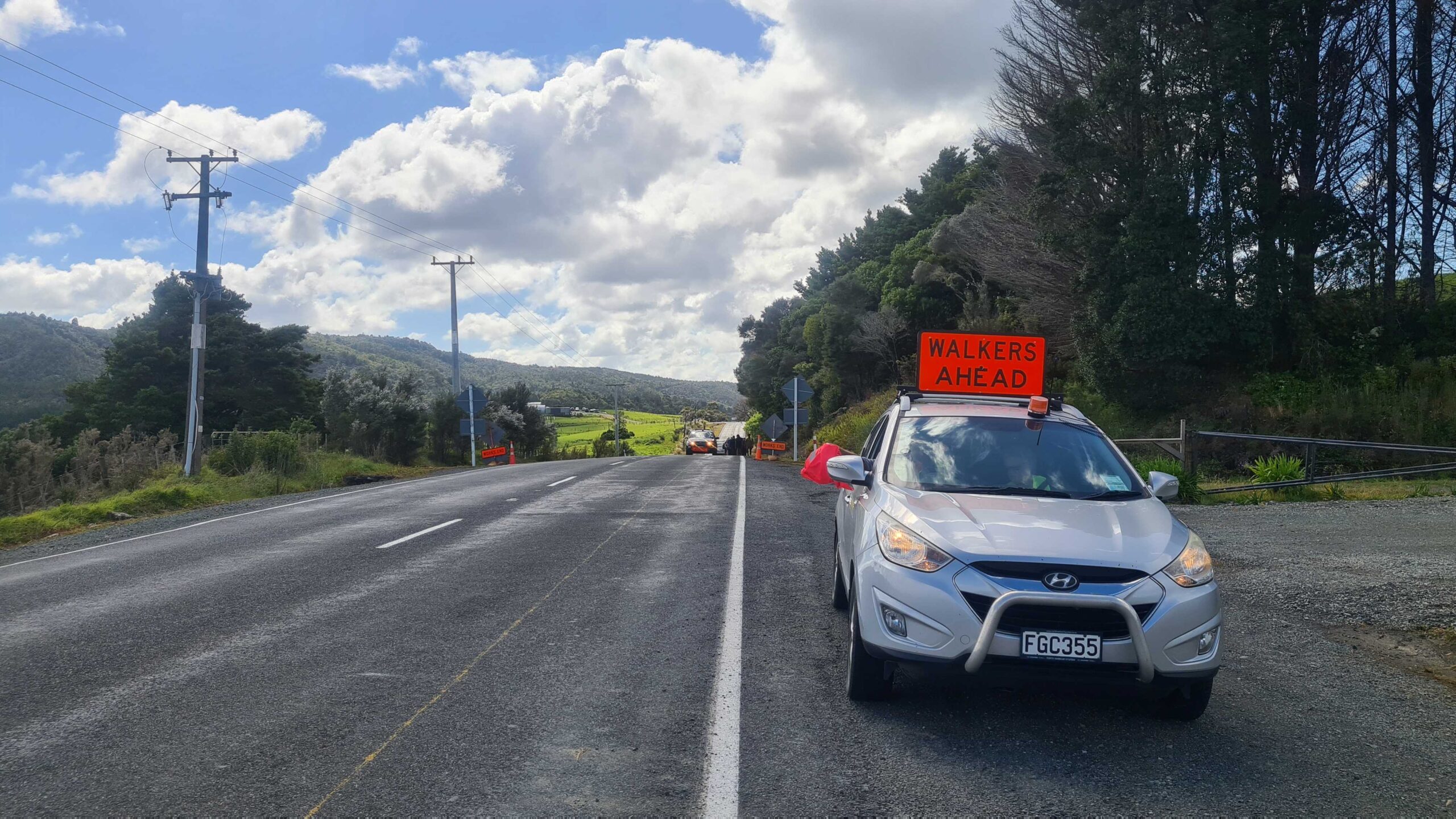
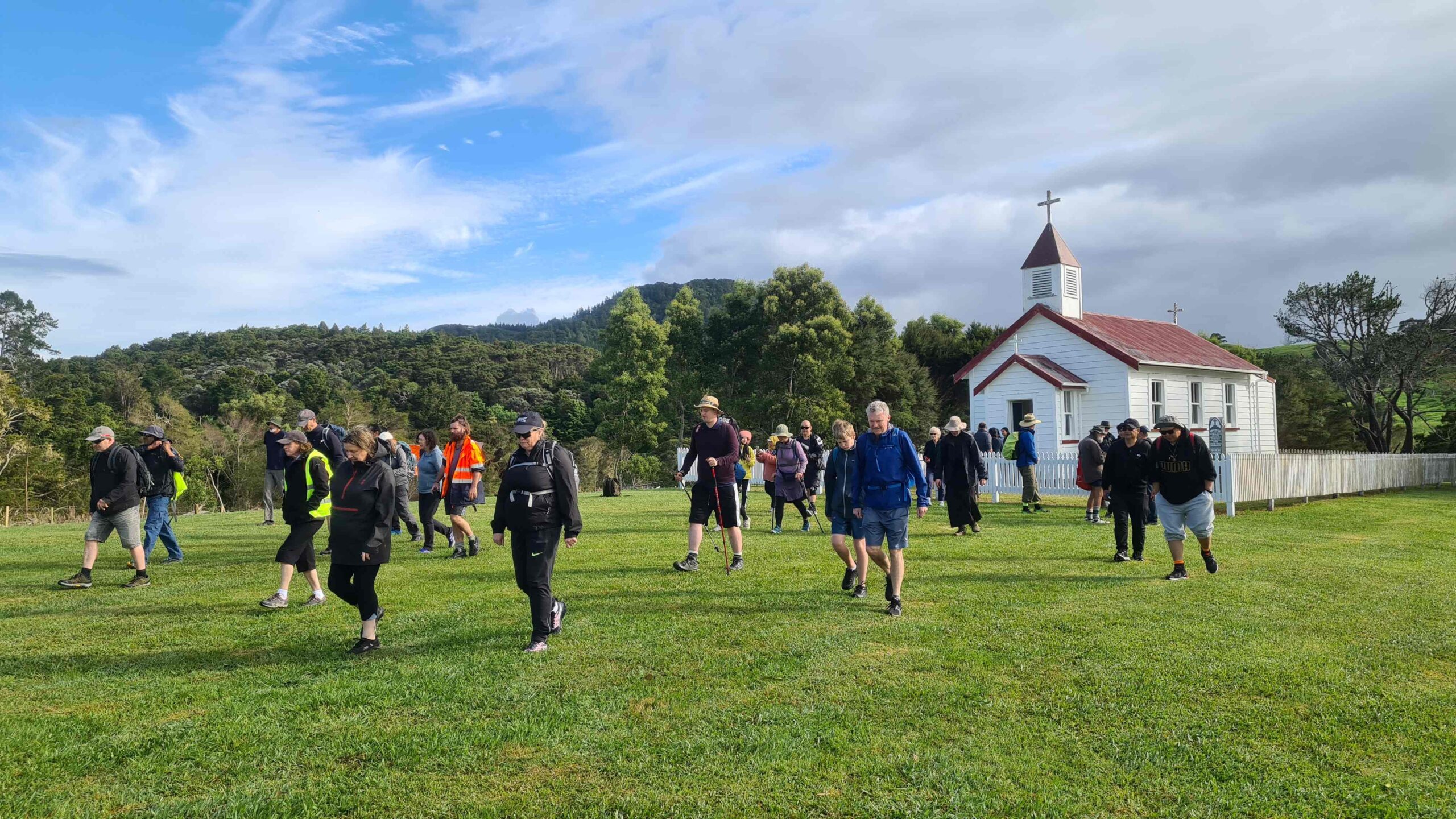
But, the act of walking a long distance to be able to pray at this historic and holy site also gives us the opportunity to receive many graces from God. This act is an added penance and sacrifice, it is an act of mortification which when offered up to God is very meritorious and implores many graces from Our Lord. Moreover, the act of walking as a group is a wonderful witness to our Catholic faith in a world growing ever colder. And so, while the destination is the end, the means (walking) to that end is also very important.
Spiritual Preparation
Spiritually speaking, if we do not walk well, then we will not have any spiritual profit from the pilgrimage. We may reach the destination with no blisters, but that is not the point. The goal is to grow in holiness, and our acts of walking to this holy site and visiting this site are the means presented to do so. And consequently, we must prepare well, not just physically so we do not get blisters, but spiritually so that our souls may profit from the pilgrimage.
To do this, we can liken the pilgrimage to our own pilgrimage here in the valley of tears. Our destination is Heaven, and we are walking on this Earth for however long God asks us to with the aim of reaching our Heavenly home. The destination is of course more important, but how we spend our time here on Earth will determine if we do actually reach our goal or not.
So, to prepare spiritually for a pilgrimage, make sure that your pilgrimage here on Earth towards Heaven is on track as well. Practice the faith, remove sin and vice, grow virtue, frequent the sacraments, attend Mass on more than just Sundays and Holy Days. Aim to grow closer to God in all aspects of your life. If you are aiming at perfection in the spiritual life on your pilgrimage here on Earth, then you will be well prepared to profit spiritually from our pilgrimage in the far north.
Physical Preparation
The Footsteps of Pompallier is a pilgrimage that commences in the farmlands of the Mid North, moving through the hills of the Mangamuka’s and onto the coastal road of the Hokianga Harbour. This walk, being conducted over four days, makes it suitable for those that have an average to good level of fitness. Like many pilgrimages, it is recommended that you take the time to prepare yourself physically, especially as there are steep hill sections at different stages over the last two days.
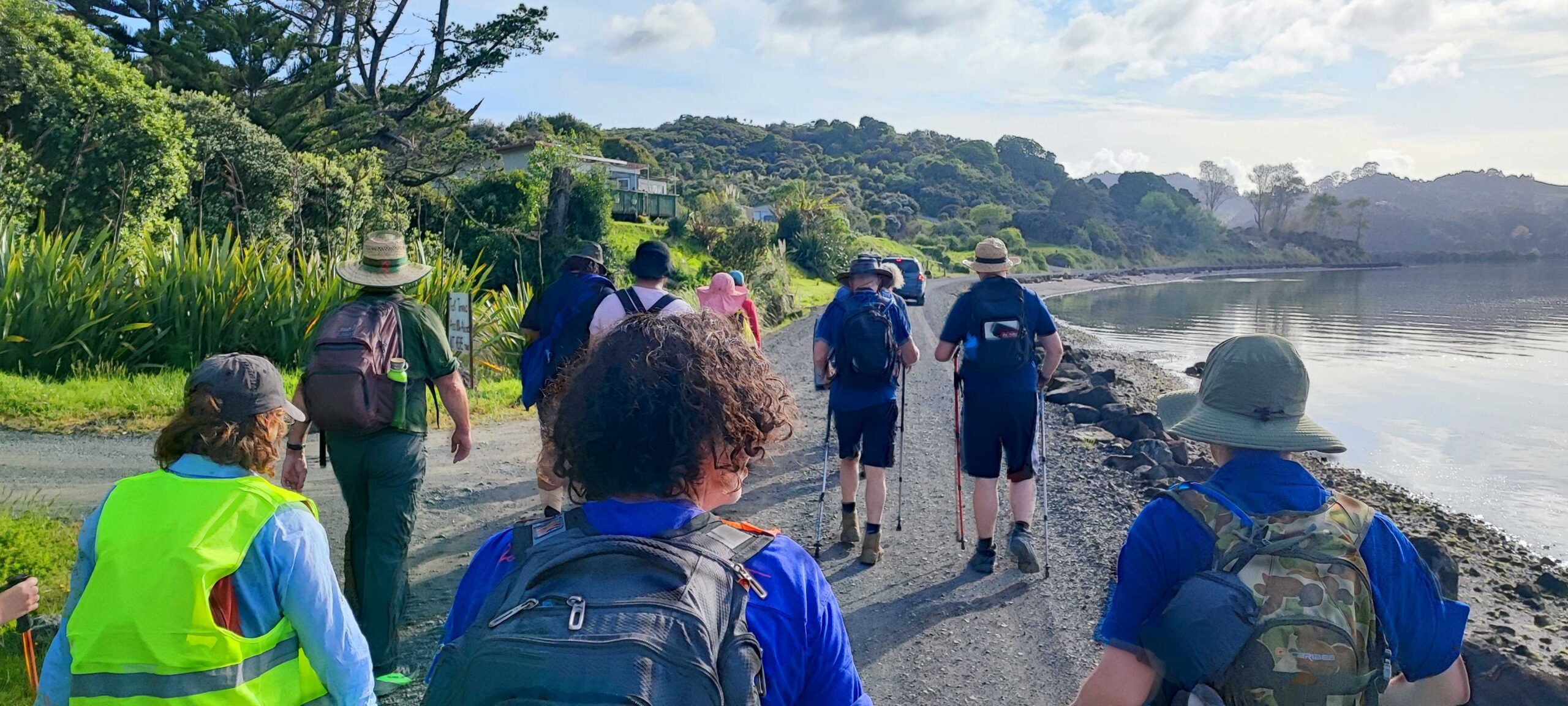
The Pilgrimage is approximately 100 km in length. Pilgrims walk between 20 – 30 km per day, over the four days. Each day is divided into three walking sessions of approximately 2 – 3 hours in length, punctuated by short breaks for lunch and rest stops.
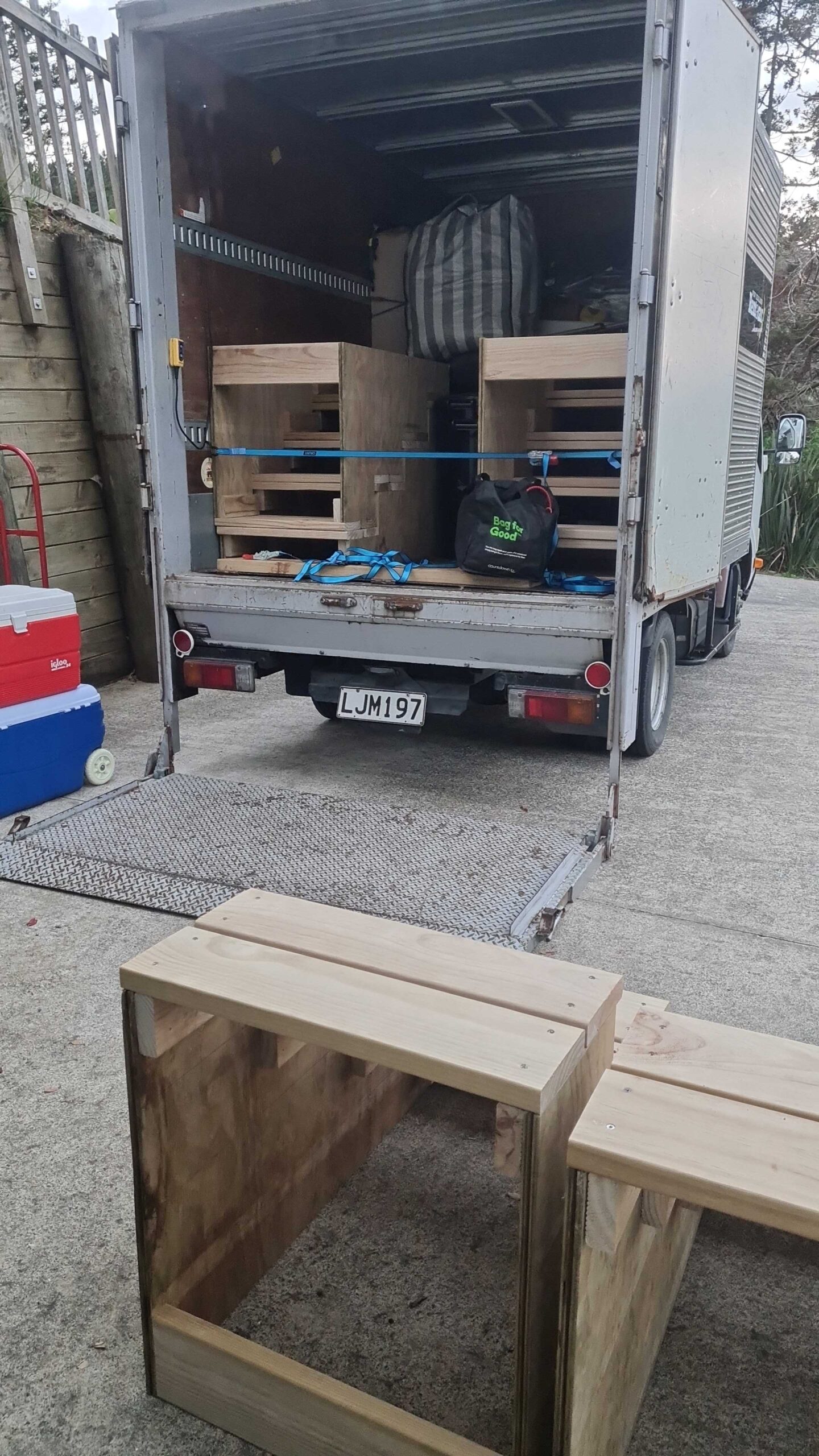
Due to the nature of NZ roads in the Far North and the lack of walk-able verges and pathways, we will mostly be walking on the actual roads themselves. For this reason, you will need to stay within your chapters, as these are escorted by safety vehicles for most sections of the walk.
Recommendations
Many of the minor injuries that are experienced by Pilgrims relate to fatigue and stress to the feet and ankles. These can be avoided by following some of the below recommendations:
- Refer to the training guide for suggested physical preparation.
- Wearing properly fitted walking shoes or boots, and ensuring your footwear is comfortable, supportive and properly broken in.
- Practicing thorough foot hygiene, especially at the end of each day.
- Wearing fresh, clean socks each morning.
- Stretching and limbering up muscles before commencing each walking session (highly recommended).
- Carrying a small water bottle or hydration pack while walking to maintain adequate hydration levels.
- Wearing a hat, sunscreen, and clothing appropriate for walking in the prevailing weather conditions.
What to bring
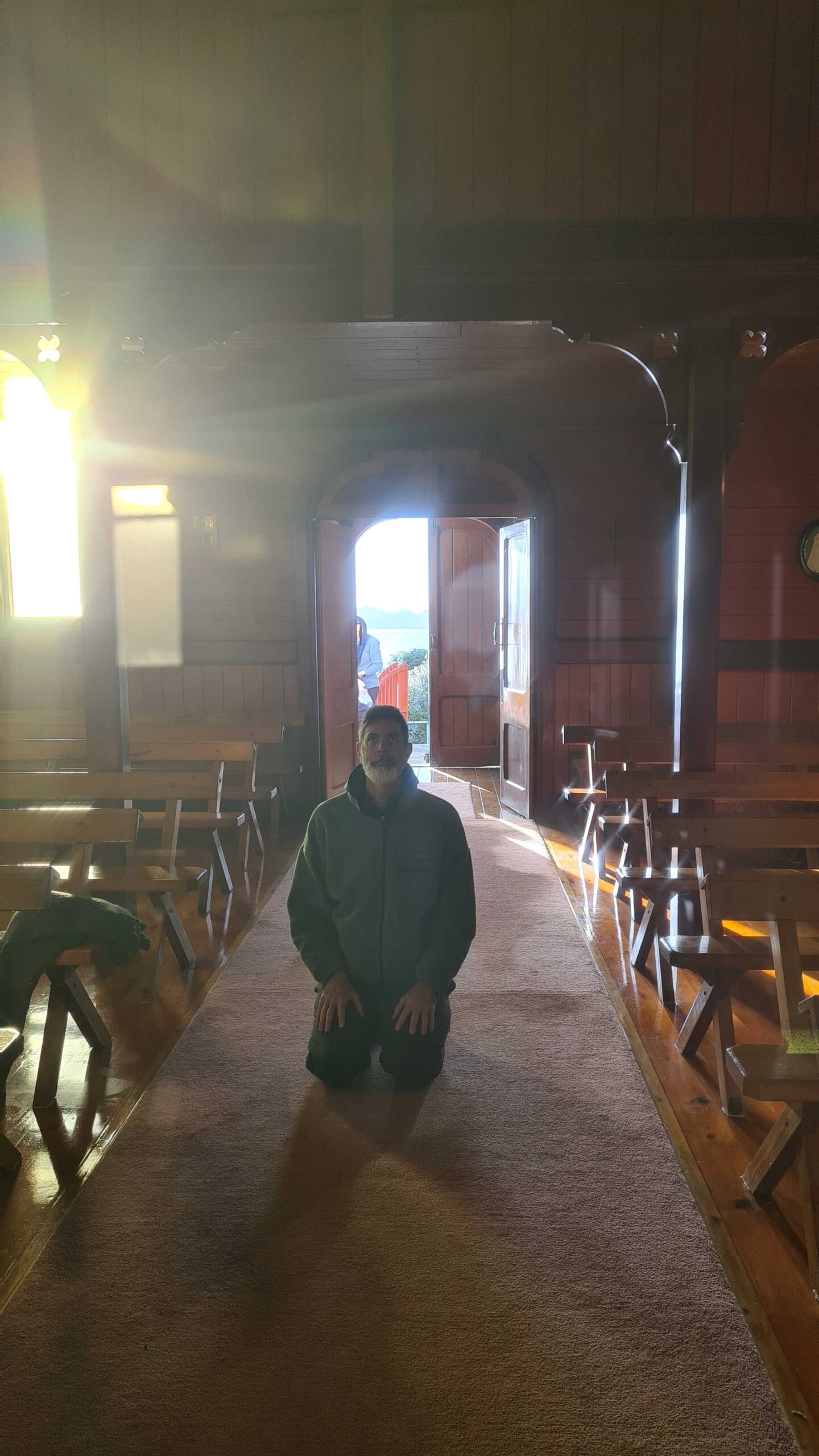
Pilgrims must bring everything that is required for their journey.
Trucks will be provided to transport luggage between the overnight stops. Therefore, any items you require throughout the day must be carried by you.
Please ensure that you are not just dressed for walking, but also dressed appropriately for Mass and receiving the sacraments each day.
Below is a general guide on what to bring.
Overnight bag
- Tent (the first night is located on farmland), the rest you will be camping on marae
- Sleeping Gear (i.e. sleeping bag, sleeping mat, and pillow)
- Torch/headlamp
- Walking clothes for 4 days (spare socks and underwear) spare/dry comfortable footwear for evenings
- Solid (worn-in) walking shoes/boots
- Warm overnight clothes suitable for cold conditions
- Plate and/or bowl, cup, eating utensils
- Towel
- Toiletries
Day Pack
- Water bottle
- Raincoat or light waterproof jacket
- Broad-brimmed hat
- Sunscreen
- Personal first-aid kit (blister packs chafing cream, Panadol etc.)
- Snack food
Check in & Transport
The Check-In Desk is open between 7:00 – 7.30 am on Saturday 24th October 2026 at the Kerikeri Sports Complex car park, located Cnr Heritage Bypass & Waipapa Road. Entry into the car park is off Waipapa Road
Pilgrims are responsible for making their own travel arrangements to and from the Pilgrimage. It is recommended that you carpool where possible, as parking may be limited on the day.
See map
On arrival, follow the signage to the designated car park area at the Sports Complex, only this designated parking is to be used at the Complex. Parking at the Kerikeri Sports Complex is at the vehicle owners’ risk, as the Complex accepts no responsibility for any vehicles left there. You are of course welcome to make your own parking arrangements.
Coaches depart the Sports Complex at 8.00 am sharp. Transport will not be waiting for those that are running late, so it is imperative that you arrive on time.
Personal vehicles are not permitted on the Pilgrimage, this includes following the pilgrimage for safety reasons.
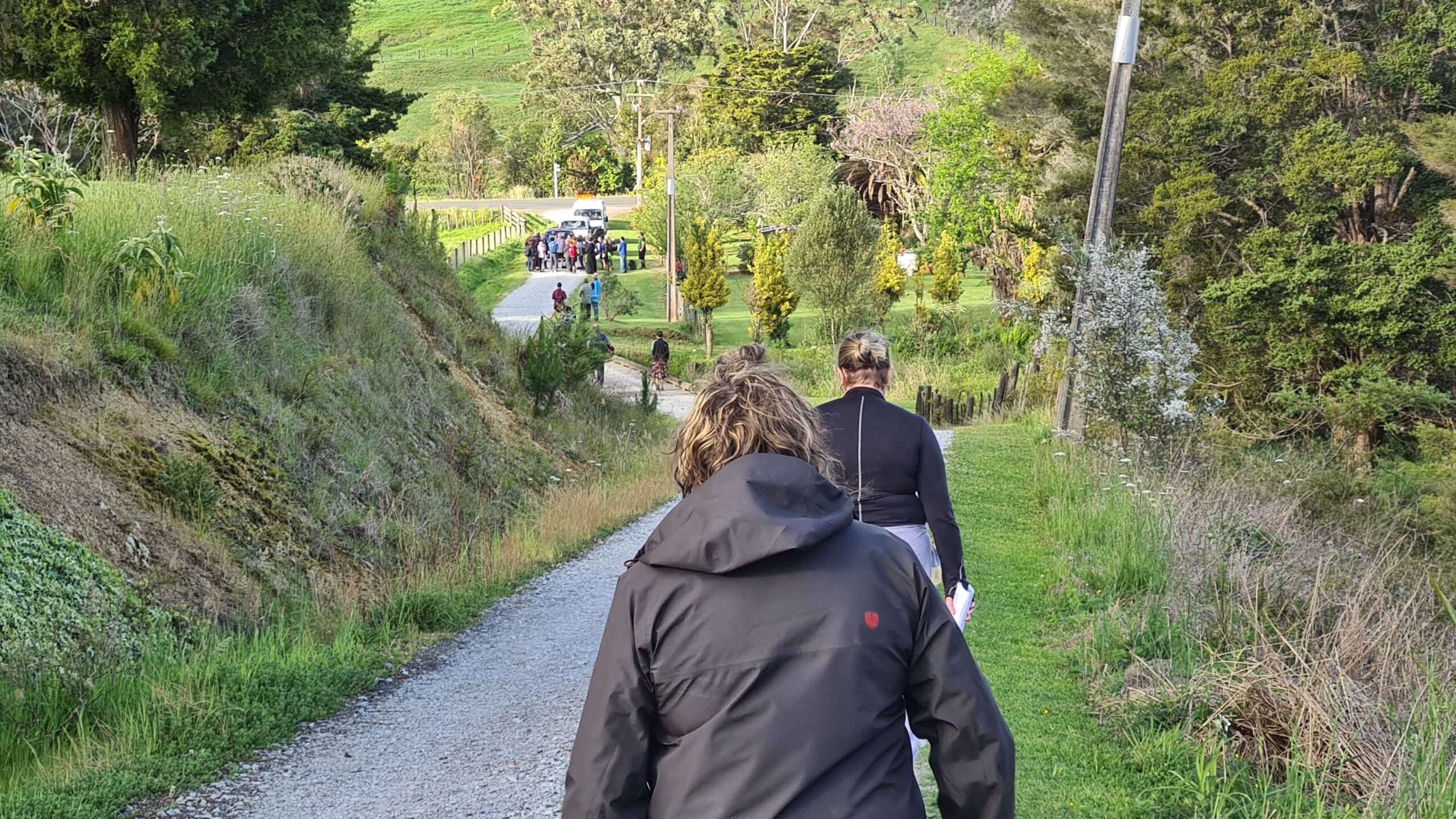
Accommodation
CAMPING
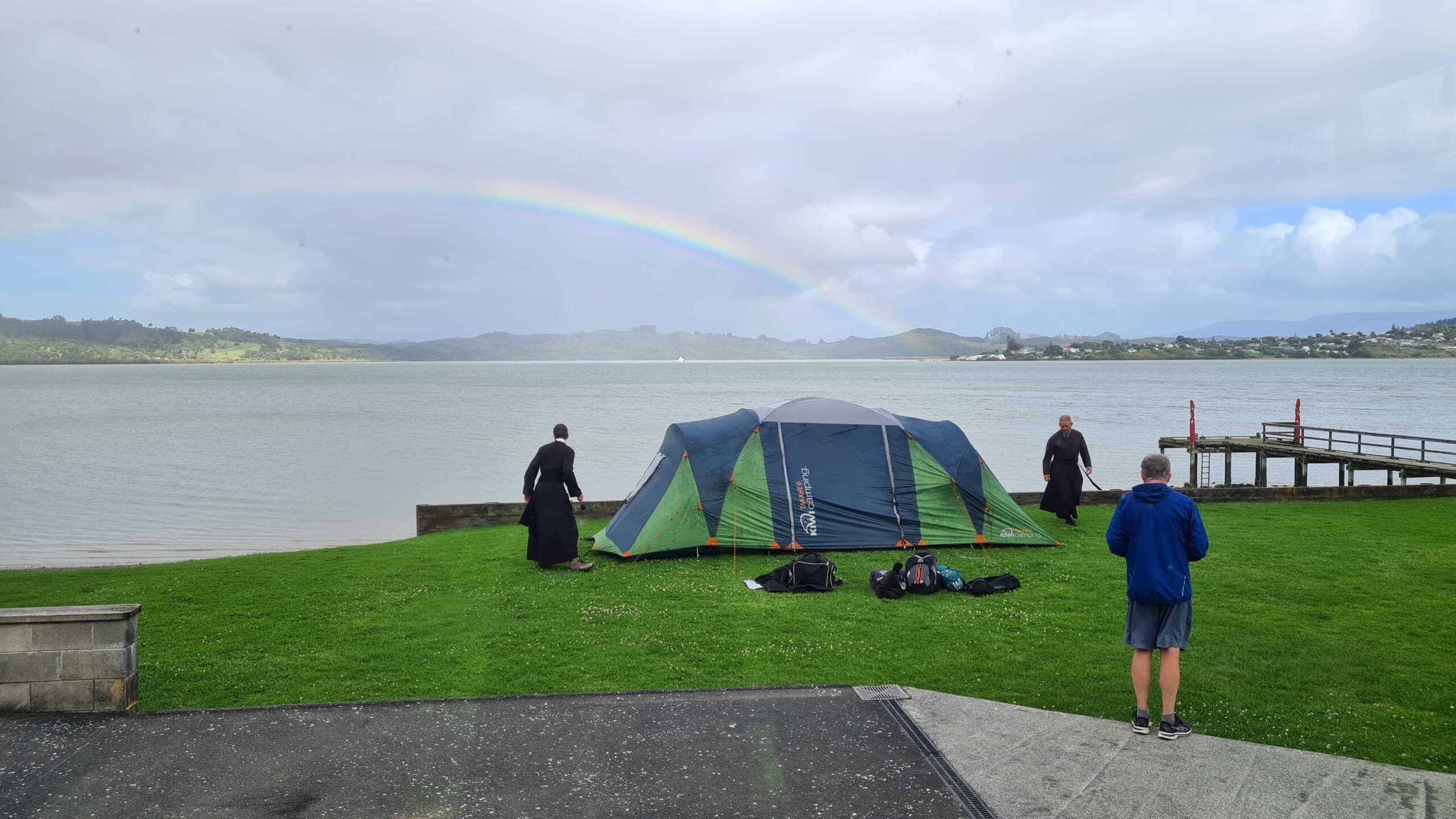
As all pilgrims will be required to camp overnight during the Pilgrimage, you will need to bring a tent and bedding. You will be directed to the camping sites upon arrival.
The 2nd & 3rd nights will be at local Marae. Sleeping in Marae buildings will be limited to all females, and male children up to the age of 12 (if space permits). If you are interested in staying in the Marae, please fill in the appropriate section when registering for this event. The rest of us will erect our tents in the allocated areas provided.
Medical Support
Medical support will be available to provide assistance for those suffering fatigue and the onset of more serious conditions, this does not include blisters and general foot care. Pilgrims are expected to carry their own first aid/blister kits and administer to such minor injuries.
There will be a short clinic at the end of the first day, to educate Pilgrims on proper foot care and how to administer to blisters and minor injuries. This should see Pilgrims well positioned to deal with these conditions for the rest of their time on the Pilgrimage.
Training guide
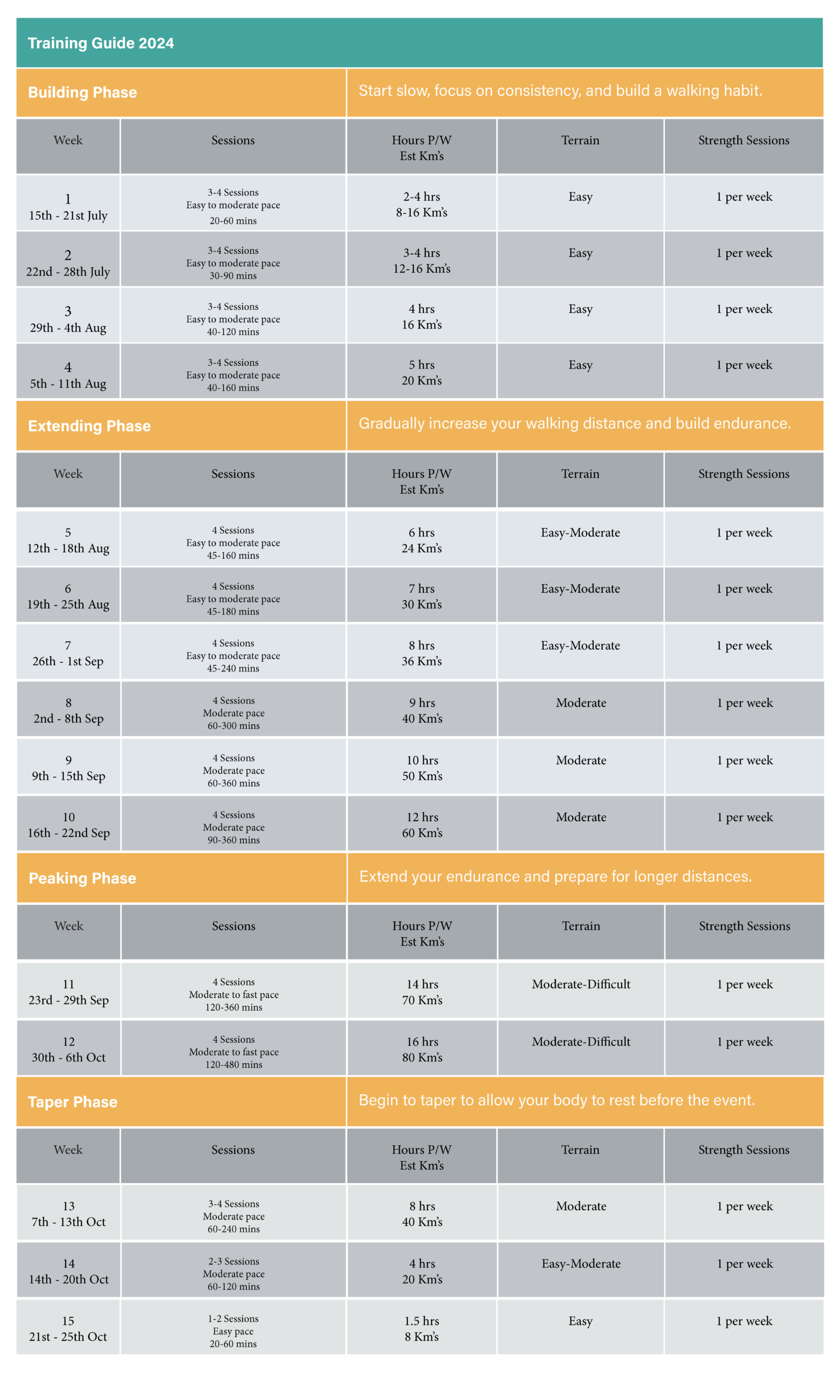
Welcome to the Footsteps of Pompallier Pilgrimage Training Guide. This guide is designed to prepare you for a memorable 100km walking pilgrimage.
Over the next 15 weeks, you should have a plan to help you build the necessary physical endurance, mental resilience, and spiritual readiness for this unique journey. Our goal is to support every pilgrim to feel confident, well-prepared, and fully equipped to embark on this spiritual adventure.
We encourage you to embrace this preparation period as part of your pilgrimage experience. By using this guide as a starting point you can develop a training schedule that fits in around you and your families commitments. We look forward to walking with you in the footsteps of Bishop Pompallier.
What is in the training guide?
In this guide, you will find:
- Training Guide overview: A weekly plan to gradually build your walking stamina and physical fitness. Note: if you can’t complete an outdoor walk, consider adding a gym session, either treadmill or stepper to help build your base fitness.
- Build strength: 6 simple exercise you can do once a week or more regularly if time permits (located below the training guide)
- Equipment Checklist: Find a list of essential items to bring under the ‘what to bring’ section on the pilgrimage, ensuring your comfort and safety.
Spiritual Preparation: Read through the pages linked and reflect on how you can prepare spiritually .
Current Initiatives & Projects
Buy a KM
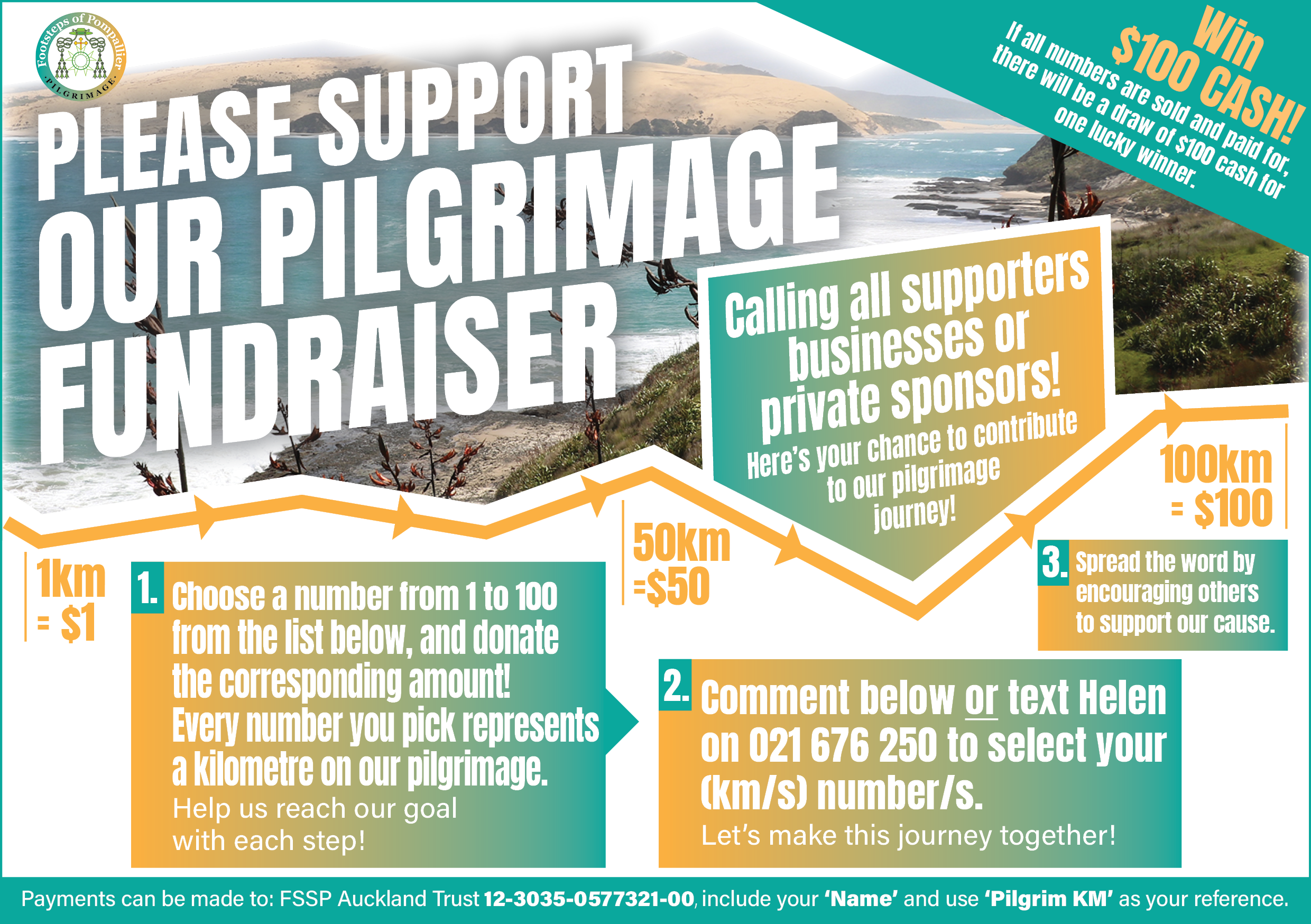
Purchase a specific kilometer by paying the amount in dollars corresponding to that kilometer number. Km #1 costs $1 and Km #100 costs $100. Pilgrims will pray for you during the pilgrimage plus win $100 cash.
Goal: $5050

Mother's Day Fundraiser
Pre order bouquets of flowers or muffins for Mothers Day
Goal: $5000
International Speaker Event
Purchase tickets to our international speaker event in July, details TBA
Goal: $30,000
Join us on this journey as we follow in the footsteps of the first Catholic missionaries in New Zealand.